


Taking your dog to the vet regularly is essential at every life stage. It’s especially important when you first bring him home—puppies need a special set of exams and vaccinations, as do adopted dogs with an unknown history or existing medical conditions. As your dog ages, he’ll be more prone to develop illnesses and will require special treatment. At every stage of his life, regular dog health checks will be essential to his growth and development.
Puppy vet visits
When you get a puppy, one of the first things you should do is take him to the vet. Your puppy’s first vet visit will involve a physical exam, deworming, stool sample, and shots, but it will also involve educating you on how to take care of your friend. Make a list of questions for your vet before the visit, along with any sort of health information provided by the shelter, pet store, or breeder. He will also need to return for follow-up vaccinations a few weeks later.
What to expect
When your pup is fully grown, he will still need to visit the vet when he gets sick and for annual check-ups. A yearly visit is usually a good time for your vet to do a physical exam on your dog. This includes taking your dog’s temperature, weighing him, and checking his heart, lungs, stomach, teeth, eyes, ears, skin, and coat. It’s also important to maintain these yearly visits so that your vet can maintain knowledge and a relationship with your dog.
Other reasons to take your puppy to the vet
Outside of annual check-ups, there are several other reasons why you may need to take your dog to the vet. Because puppies are rambunctious little explorers, it’s possible they may encounter one or more of these common medical conditions including ear infections, urinary tract infections, bacterial infections, skin allergies, arthritis, and intestinal issues.
Also, make sure to document any abnormal signs you see in your puppy if you suspect that he might be sick so you can share with your veterinarian for an easier diagnosis. Remember to note when the symptoms began and if they began after a particular situation like playing outside or after eating something.
Another important reason to visit the vet is to spay or neuter your dog. Find out more about the health benefits of spaying and neutering, as well as what to expect during the procedure.


Tasty Tips
Tips for a productive visit
A trip to the vet can be a stressful experience for you and your dog. There will be lots of strange sights, smells, sounds, people, and animals that can distract or frighten him. Here are a few things you can do to plan for a comfortable visit:
- Play with him or take him for a walk before leaving for the vet. This will give him a chance to burn some nervous energy, as well as preventing a possible accident in the office.
- If your dog is small enough, consider taking him to the vet in a carrier. This will protect him from combative pets and vice versa, as well as make sure he doesn’t try to run away. If your dog is sick, this will give him a chance to rest. Also, throw in a blanket and toy that he is used to cuddling or playing with for familiarity to help keep him calm.
- Keep your dog calm in the waiting room. Though he may be excited to meet other animals, it’s best to keep him on your lap or by your side. Pet him frequently and talk to him softly to help keep him relaxed. When you get to the examination room, ask your vet if you can help hold your dog. Veterinarians and vet nurses are experienced at holding nervous and frightened animals, but it may be worth it if you think he’ll be more comfortable in your hands.
- Veterinary clinics and hospitals are often very busy. If you want extra time to talk to your vet, book a longer appointment or don’t visit during peak hours. Clinics are usually at their busiest in the early morning or early evening.
- Take your dog to the vet regularly to be weighed and checked. The more your vet sees your dog, the better they will be able to address his needs, and the more comfortable your dog will be at the clinic.
Also, be sure to ask your vet for advice on caring for your puppy’s health at home including proper nutrition, exercise, and grooming. Taking good care of your pup in between vet check-ups will help improve the likelihood a good visit and reduce the need for unexpected health checks.

Related products

Adult Perfect Digestion Salmon, Whole Oats, and Brown Rice Recipe Dog Food
Science Diet's breakthrough nutrition supports ultimate digestive well-being & healthy microbiome
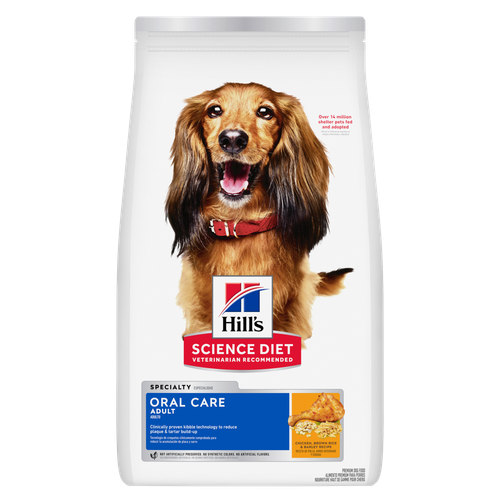
Hill's Science Diet Adult Oral Care Chicken, Brown Rice & Barley Recipe Dog Food
Clinically proven kibble technology to reduce plaque & tartar build-up

Adult 11+ Small & Mini Chicken, Brown Rice & Barley Recipe Dog Food
For the unique nutritional needs of mature Small & Mini Dogs
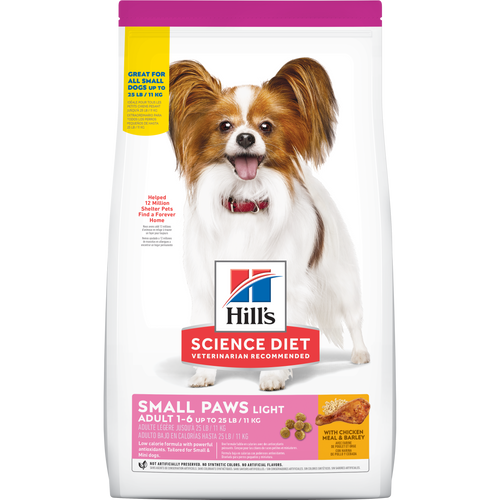
Adult Light Small Paws with Chicken Meal & Barley Dog Food
Low calories for less active small & mini dogs
Related articles
What to Feed Your Pregnant or Nursing Dog
Proper nutrition for your pregnant or nursing dog is vital to her and her puppy's health. Learn what you should do provide her with the proper nutrients.
Grooming Suggestions for Keeping Your Dog's Coat Healthy
Your dog's coat and skin are a big part of your dog's overall health. Ensure you keep your dog's coat healthy, by following these simple tips.

How Fatty Acids Can be Healthy for Your Dog
Understand the role that Omega-6 and Omega-3 fatty acids play in your dog's overall health, and how you can ensure they are getting enough.
Hill's Puppy Food: Quality Ingredients for Health & Nutrition
Learn about Hill's puppy food and the nutritional benefit & high quality ingredients that it contains for your pup.
Put your dog on a diet without them knowing
Our low calorie formula helps you control your dog's weight. It's packed with high-quality protein for building lean muscles, and made with purposeful ingredients for a flavorful, nutritious meal. Clinically proven antioxidants, Vitamin C+E, help promote a healthy immune system.
Put your dog on a diet without them knowing
Our low calorie formula helps you control your dog's weight. It's packed with high-quality protein for building lean muscles, and made with purposeful ingredients for a flavorful, nutritious meal. Clinically proven antioxidants, Vitamin C+E, help promote a healthy immune system.